
Most clothes bought in the UK didn’t actually come from there. Those neat white tags saying ‘Made in China’ or ‘India’ spill the beans. Shoppers chase low prices, which pushes brands to get their stuff from eastern countries. Everyone wonders if they really need that flashy pair of shoes or those ripped jeans everyone rocks now. Sometimes, there’s a plan to shed some pounds just to fit old clothes again. UK buyers, like many others, love snagging a bargain, even if it means helping fast fashion go global. This habit shapes how and where clothes get made—keep reading to see how it all connects.
We are a nation of price cut buyers. The likes of Primark, TK Maxx and also Sports Direct were not always seen as appropriate or ‘cool’ locations to go shopping due to what was connected with the brand name eg: Inexpensive, poor. It claimed a lot concerning your status if you were the child in hi-tec trainers or the household who shops in ₤ 1 stores, particularly in a country that is extremely eager to establish and differentiate condition. Yet, as a result of the modification of the climate, how promptly patterns on the high road are changing, and also due to the fact that customers are challenging the needs of quick, affordable fashion, style homes in the UK have counted on (mainly) Bangladesh for the manufacturing of our apparel.
However, even if we aren’t running the factories in Bangladesh that have lately resulted in deaths, does not suggest that we are not somewhat in charge of them. Most of us know that manufacturing facility conditions outside of the UK are very various and most of our population wouldn’t last a day in the very same environment. So really, the moment of disregarding to these work intensive problems should come to an end.
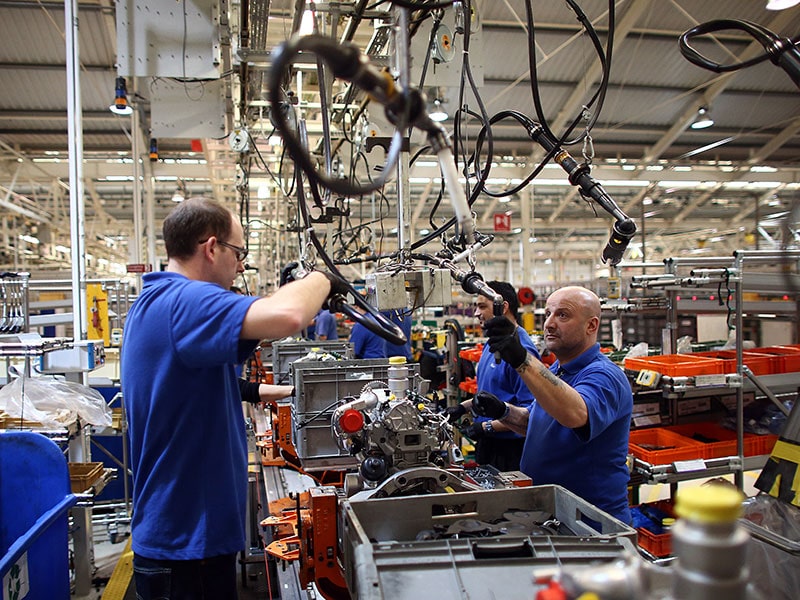
There are a couple of various tactics that fashion brand names can take on board though to aid keep great ethical manufacturing in addition to saving themselves from being skinned by criticism and even taken advantage of by several of these eastern manufacturing facilities
Factory audits- If you are a dealer within the garment industry then you will certainly understand that managing the large players on the high street such as Following, JD Williams (Basic Be), John Lewis or M&S to name however a couple of, will certainly require you to explore that margin of yours (prior to you’ve also made any with them), to pay out for manufacturing facility audits. This is when the high street distributors will make use of a trustworthy auditing firm they know with who depend on date on the lawful needs and also problems for the countries your manufacturing facilities lie in. The auditors will inspect the equipment being used as well as the hours being logged by the participants of team on the workshop floor to examine that all lawful requirements are being met and also there is no child labour or exploitation occurring.
As a style brand name, rather than awaiting the merchant to apply you to do this as part of your agreement with them, you need to start doing this from the outset prior to you even source any type of samples from the manufacturing facilities you are wanting to manage. One way or another, every store you intend to provide to is going to request the last audit of your factory provider.
If you want to find great information, check out ColdSpray News for more info.